Unveiling the Truth: Nutrition Myths Debunked
In the complex world of health and nutrition, it’s easy to get lost in a sea of misinformation and old wives’ tales. How often have we heard that skipping meals can help lose weight faster or that certain foods can ‘burn’ fat? “Unveiling the Truth: Nutrition Myths Debunked” is here to clear the air on some of these persistent myths and set the record straight on what’s fact and what’s fiction in the world of eating well.
Introduction to Nutrition Myths
Nutrition is foundational to our health, influencing everything from physical performance to mental well-being. However, with so many dietary trends and contradictory pieces of advice out there, it can be tough to determine which guidelines to follow and which to ignore. This is where “Unveiling the Truth: Nutrition Myths Debunked” steps in, helping you navigate the maze of nutritional advice with evidence-based insights.
Common Nutrition Myths Debunked
Myth 1: Carbs Are Bad For You
Carbohydrates have been demonized in recent years thanks to popular diets like Keto and Paleo. The truth, however, is quite different. Carbohydrates, especially those coming from whole, unprocessed foods like fruits, vegetables, and whole grains, are essential for energy. They are vital for brain function and are an integral part of a balanced diet.
Myth 2: Fats Will Make You Fat
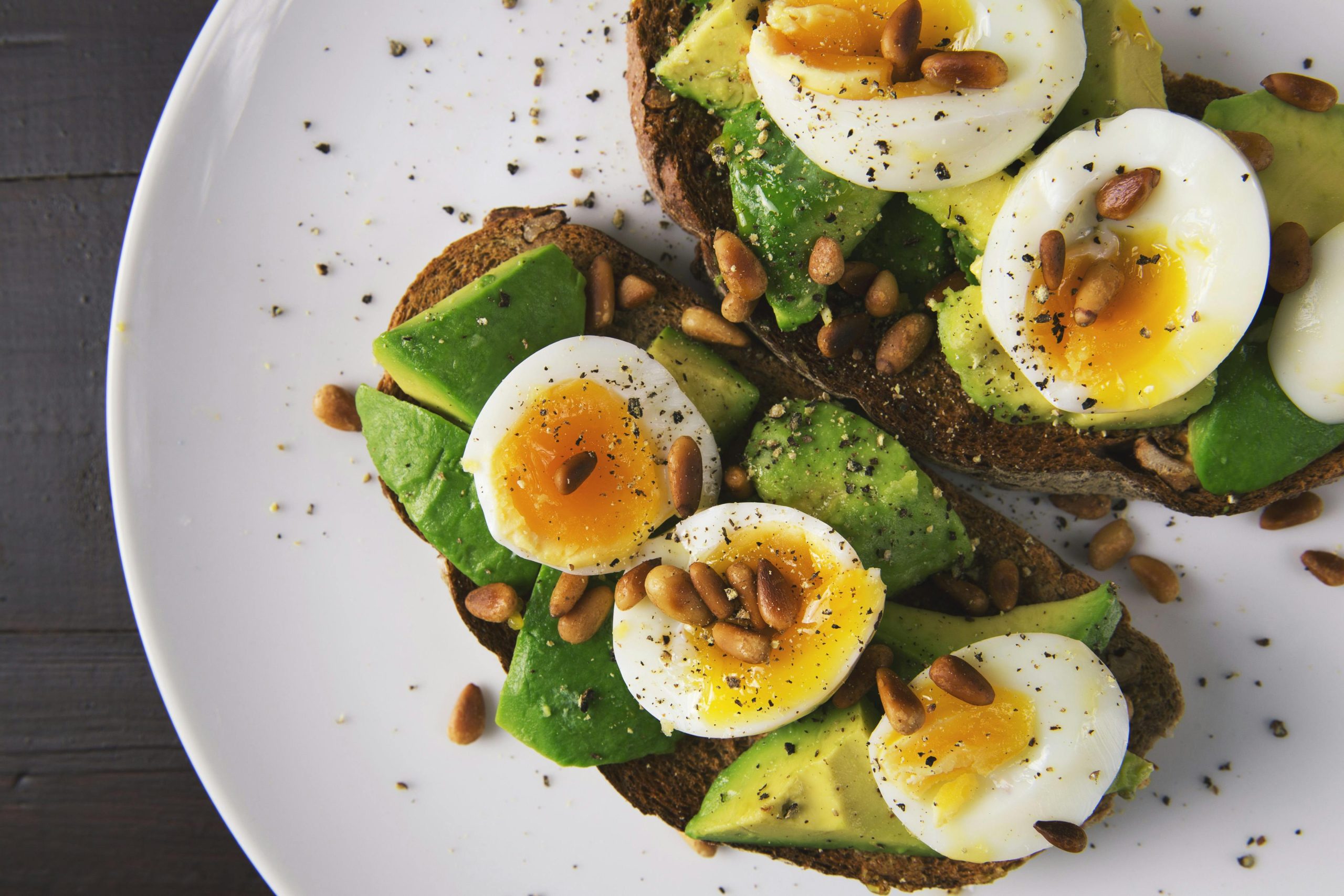
Just like carbohydrates, fats have been unfairly labeled as a dietary villain. Not all fats are created equal. Trans fats and certain saturated fats can contribute to heart disease and other health issues, but monounsaturated and polyunsaturated fats from avocados, nuts, seeds, and fish are crucial for heart health, hormone production, and cell structure.
Myth 3: Avoid Eggs to Lower Cholesterol
Eggs have often been cited as a major cholesterol contributor due to their high dietary cholesterol content. However, recent studies suggest that eating eggs in moderation (about 1 per day) doesn’t necessarily raise cholesterol levels in the blood or contribute to heart disease in healthy individuals. Eggs are a powerhouse of nutrition, enriched with proteins, essential amino acids, vitamins, and minerals.
Myth 4: All Calories Are Equal
While weight management generally boils down to calorie intake versus calorie expenditure, not all calories are the same when it comes to overall health. 200 calories of vegetables (rich in vitamins, minerals, and fiber) are not the same as 200 calories of soda (loaded with added sugars and no essential nutrients). The source of calories is just as important as the quantity.
Myth 5: Gluten-Free Diets Are Healthier
Gluten-free diets are essential for those with celiac disease or gluten sensitivity, but they’re not necessarily beneficial for everyone. Whole grains, which contain gluten, are a good source of fiber, vitamins, and minerals. Eliminating them from your diet could lead to deficiencies unless properly managed.
Myth 6: Skipping Meals Aids Weight Loss
While skipping meals might result in a temporary calorie deficit, it often backfires. It can lead to increased hunger and binge eating later, causing more harm than good in the long run. Balanced, regular meals help maintain stable blood sugar levels, curb cravings, and support a healthy metabolism.
FAQs on Nutrition Myths
Q1: Are dairy products unhealthy?
While dairy can be problematic for lactose-intolerant individuals, it provides key nutrients such as calcium, protein, and vitamin D for others. Always choose versions with little to no added sugar and organic or at least hormone-free when possible.
Q2: Is high-protein diet the best way to lose weight?
A high-protein diet can promote weight loss and muscle gain, but balance is key. Excessive protein intake, particularly animal protein, might burden the kidneys and liver. It’s essential to include a variety of proteins, grains, fats, and vegetables in your diet.
Q3: Can detox diets cleanse my body?
The body is well-equipped with organs such as the liver and kidneys to detoxify itself. Detox diets can offer a psychological jumpstart to healthy eating but are not necessary and can sometimes be harmful. Always consult health professionals before starting such diets.
Conclusion on Unveiling the Truth: Nutrition Myths Debunked
In conclusion, nutrition is a dynamic and intricate aspect of health that doesn’t subscribe to a one-size-fits-all approach. “Unveiling the Truth: Nutrition Myths Debunked” aims to empower you with knowledge, debunking misconceptions and encouraging a balanced, informed perspective on eating well. Remember, the best diet is one that is balanced and tailored to your specific health needs, based on medical history, lifestyle, and personal preferences. Here’s to making informed choices and thriving on a path of wellness!
Understanding the truth behind these myths not only helps in making informed food choices but fosters a holistic approach to a healthy lifestyle. Keep questioning and exploring the truth about your nutrition because knowledge is indeed the cornerstone of a wholesome diet.